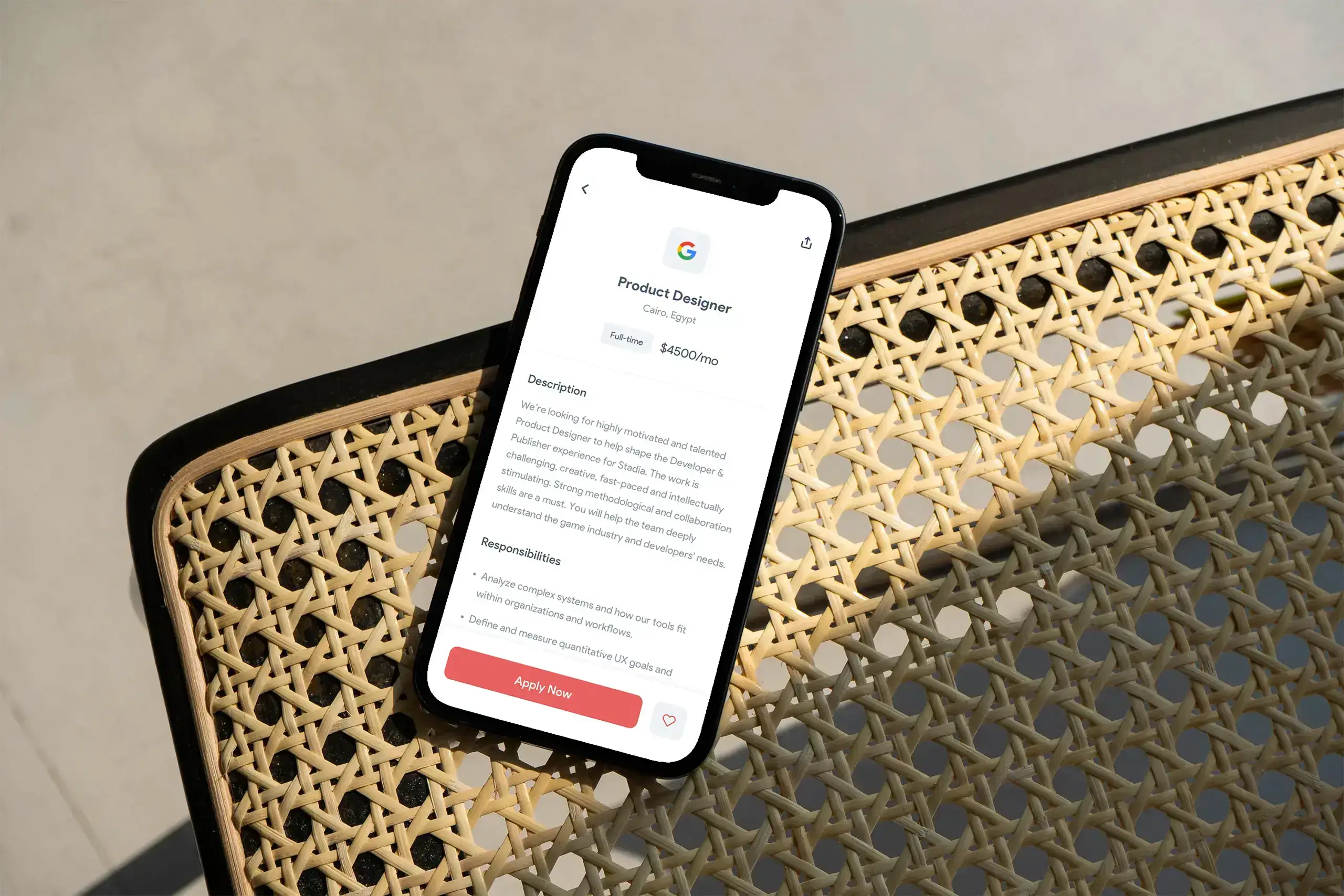
Product designer
Product Designer
Web Design
Designing decision-making systems that improve conversion across industries
THE PROBLEM
Most landing pages don't fail because of design.
They fail because they create too many decisions.
Across industries, businesses approached landing page design with remarkably similar requests:
Add more features.
Add more content.
Add more CTAs.
Add more information.
Every stakeholder wanted visibility.
Every team wanted their initiative represented.
Every client believed their business was unique.
Yet user behavior remained surprisingly consistent.
People rarely studied landing pages in detail.
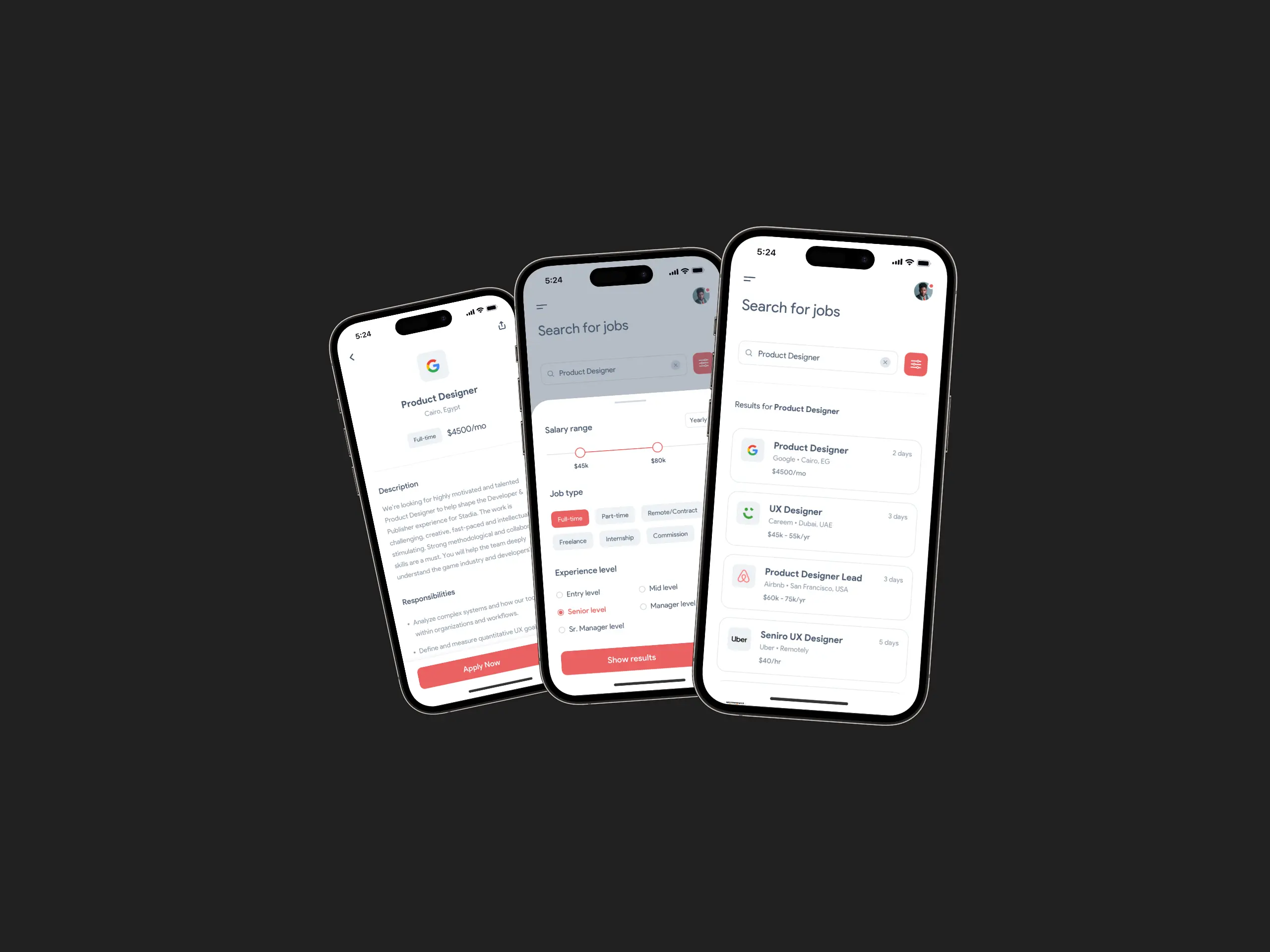
We weren't designing pages.
We were designing decisions.
DISCOVERY
Attention patterns
Information hierarchy
Abandonment behaviors
Value perception
TARGET USERS
01 Design Decision
Helps small business owners manage inventory and place recurring orders
Connects with thousands of retailers across Mexico, supporting the daily operations of convenience stores, corner shops, and local businesses.
how might we...
→ How might we reduce decision fatigue?
→ How might we improve conversion without increasing complexity?
→ How might we guide attention toward the action that matters most?
→ How might we create adaptable frameworks across industries?
01
Outcomes Before Features
Users rarely cared about functionality until they understood value. Messaging shifted from product capabilities to customer outcomes.
Tradeoff
Required challenging stakeholder assumptions about feature visibility.
02
Design Around a Single Primary Action
Research consistently showed that multiple CTAs created hesitation rather than engagement.
Tradeoff
Secondary business objectives became less prominent.
03
Information Hierarchies
Not all information carries equal importance.
Content was structured around the order users needed information to make decisions
Tradeoff
Reduced cognitive load and improved content comprehension.
DEFINE
Helps small business owners manage inventory and place recurring orders
Connects with thousands of retailers across Mexico, supporting the daily operations of convenience stores, corner shops, and local businesses.
store owners value speed, simplicity, and reliability.
Store owners value speed, simplicity, and reliability.
the experience should be optimized for reordering, not browsing
store owners value speed, simplicity, and reliability.
150+
Many place orders multiple times per week to restock their stores.
6
Order products regularly to maintain inventory and serve customers
18
Content
Many place orders multiple times per week to restock their stores.
store owners value speed, simplicity, and reliability.
Small corner stores
1 to 3 employees. Low digital maturity
Reorder, don't stop
4 to 10 employees. Use digital tools ocasionally
Distributors & Wholesalers
High order volume. More complex operations
Distributors & Wholesalers
High order volume. More complex operations
Distributors & Wholesalers
High order volume. More complex operations
Content
Content
store owners value speed, simplicity, and reliability.
Step-by-step flows that teach and guide users without overhelming them.
Learning moments embedded naturally within the user journey.
Recomendations based on user interests, goals and behavior.
Visual and simple explanations of perfomance risk.
Define
Helps small business owners manage inventory and place recurring orders
Connects with thousands of retailers across Mexico, supporting the daily operations of convenience stores, corner shops, and local businesses.
Store owners value speed, simplicity, and reliability.
Small corner stores
1 to 3 employees. Low digital maturity
Reorder, don't stop
4 to 10 employees. Use digital tools ocasionally
Distributors & Wholesalers
High order volume. More complex operations
Distributors & Wholesalers
High order volume. More complex operations
Small corner stores
1 to 3 employees. Low digital maturity
Small corner stores
1 to 3 employees. Low digital maturity
Small corner stores
1 to 3 employees. Low digital maturity
Small corner stores
1 to 3 employees. Low digital maturity
Define
Helps small business owners manage inventory and place recurring orders
Connects with thousands of retailers across Mexico, supporting the daily operations of convenience stores, corner shops, and local businesses.
FINAL EXPERIENCE
FINAL EXPERIENCE
1 to 3 employees. Low digital maturity
4 to 10 employees. Use digital tools ocasionally
High order volume. More complex operations
High order volume. More complex operations
FINAL EXPERIENCE
1 to 3 employees. Low digital maturity
4 to 10 employees. Use digital tools ocasionally
High order volume. More complex operations
High order volume. More complex operations
FINAL EXPERIENCE
FINAL EXPERIENCE
FINAL EXPERIENCE
1 to 3 employees. Low digital maturity
1 to 3 employees. Low digital maturity
4 to 10 employees. Use digital tools ocasionally
1 to 3 employees. Low digital maturity
High order volume. More complex operations
1 to 3 employees. Low digital maturity
High order volume. More complex operations
1 to 3 employees. Low digital maturity
1 to 3 employees. Low digital maturity
4 to 10 employees. Use digital tools ocasionally
Distributors & Wholesalers
High order volume. More complex operations